Academic Cancer Research | Evidence Sources, Research Context & Academic Oncology
Academic Cancer Research
Academic cancer research context and evidence sources that inform oncology discovery, clinical translation, and research interpretation.
How This Page Is Used
This page outlines the academic and clinical research authorities that inform CS Cancer Solutions' evidence-tiering, content validation, and oncology intelligence development. It is intended for clinicians, researchers, and institutions seeking transparency into how cancer evidence is evaluated and integrated across the platform.
Primary Academic & Public Oncology Evidence Sources
Evidence-based organizations recognized for scientific rigor and transparency
Our Evidence Standard
Cancer Solutions draws primarily on globally recognized, evidence-based cancer research organizations and aims to avoid commercial, anecdotal, or unverified information. Our goal is to provide patients, families, and caregivers with clearly sourced cancer research context.
A widely used federal reference for cancer information.
- Peer-reviewed by independent oncologists
- Updated continuously
- Separate patient and clinician versions
- Maintained by the U.S. National Cancer Institute
Developer of globally used cancer treatment guidelines.
- Created by leading cancer centers
- Evidence-graded recommendations
- "NCCN Guidelines for Patients" simplify complex science
Trusted by clinicians and medical librarians.
- Written and reviewed by oncologists
- Backed by the American Society of Clinical Oncology
- Clear, accurate patient education
Widely regarded for rigorous systematic reviews.
- Rigorous systematic reviews
- Rigorous systematic review methodology
- Evaluates global clinical trial quality
The world's largest biomedical research database.
- Primary scientific literature
- Comprehensive index of biomedical literature
- Basis for all research evaluation
International Research Authorities
- Global leader in carcinogen research
- Operated by the World Health Organization
- Authoritative carcinogen classifications
- Widely used U.S. cancer statistics
- Widely used by researchers and public health agencies
- U.S. population-based cancer incidence and survival data
- One of the world's largest independent cancer research charities
- High-quality patient and science explanations
- Strong global reputation for scientific integrity
Academic Cancer Education Resources
- University-developed
- Research-backed explanations
- High-quality visuals and biology tutorials
- Peer-reviewed by leading specialists
- Used by physicians worldwide
- Clear, medically accurate summaries
Your Cancer Solutions portal uses only organizations that meet all of these criteria:
We aim for visitors to encounter balanced, factual, noncommercial cancer information.
Contextual note on academic research examples: The research examples below illustrate representative academic contributions reported in peer-reviewed literature. They do not imply sole discovery, priority, ownership, or exclusive attribution, and are presented to demonstrate research themes rather than institutional claims.
Academic Research Ecosystems (Selected Context)
The following examples illustrate research themes emerging from major academic ecosystems and do not represent an exhaustive or ranked list.
Inclusion reflects research context and thematic contribution rather than attribution of sole discovery, priority, or institutional comparison.
Examples of cancer research advances emerging from selected U.S. academic ecosystems, chosen for scientific rigor, innovation, and clinical impact.
Selected research contributions (contextual)
$200 million collaborative cancer hub driving "moonshot"-style research including engineered immune-cell therapies (in-body CAR-T), AI to predict and personalize cancer treatment, and metabolic/diet interventions.
UCSF, Berkeley, and Gladstone Institutes launched "CRISPR Cures for Cancer," leveraging genomic engineering to develop more effective, resilient CAR-T therapies.
Research conducted within UC system–associated laboratories contributed to foundational understanding of immune checkpoint pathways (anti-CTLA-4), work that informed development of ipilimumab and related immunotherapies.
UCLA researchers contributed to at least 8 major cancer therapies including Herceptin (trastuzumab) for HER2+ breast cancer and ribociclib (CDK inhibitor).
Selected research contributions (contextual)
Discovered that small cell lung cancer cells form synapse-like connections with neurons in the brain, opening doors to novel therapies blocking neuron-cancer cell communication.
Found that tegavivint induces a previously unknown form of cancer-cell death beyond apoptosis, potentially targeting therapy-resistant cancer cells.
Developed an evolved decoy version of Axl receptor that prevents metastasis. In mouse models, dramatically reduced metastasis in breast and ovarian cancer.
Solved detailed atomic structure of LAG-3, a key immune checkpoint protein, enabling better immunotherapy drug design.
Nobel-laureate Carolyn Bertozzi's team engineered a biomolecule that breaks down protective mucins on cancer cells, helping immune cells recognize and attack cancer.
Selected research contributions (contextual)
Discovered that STUB1 protein suppresses CD8+ T cells' cancer-fighting power. Disabling STUB1 increases tumor killing in mice.
Using CRISPR screening, identified gene edits (e.g., deletion of CDKN1B) that make CAR-T therapy more effective and persistent in multiple myeloma models.
Developed AI model PDGrapher that predicts gene targets to reverse disease states. Identified both known and new therapeutic targets in cancer datasets.
Dr. Marcia Haigis' groundbreaking work on how mitochondrial metabolism (sirtuin proteins SIRT3/SIRT4) influences cancer cell growth.
Selected research contributions (contextual)
Yale-Mayo collaboration uncovered new gene circuit (YAP → TRIO) driving glioblastoma cell movement. Developed gene signature to predict patient outcomes and identify TRIO as therapeutic target.
Regional & Population-Specific Academic Research Context (Alaska)
Alaska may be geographically remote, but it is home to important cancer research and innovation — focused on improving outcomes for local populations, expanding access to care, and addressing unique environmental and genetic factors.
"Cancer Solutions highlights Alaska-based cancer research and innovation to improve visibility into prevention, screening, research participation, and evidence development relevant to local and Indigenous populations."
Expanding Clinical Trial Access Statewide
AKORNE partners with national cancer centers to bring clinical trials to Alaska, eliminating the need for out-of-state travel. Focus areas: immunotherapy, precision medicine, and targeted therapies for rural and Indigenous populations.
Advanced Treatment & Clinical Trials
Running cancer research and clinical trials with advanced technologies (CyberKnife, image-guided therapy) on par with top cancer centers. First in Alaska to offer Pluvicto (radioligand therapy) for PSMA-positive metastatic prostate cancer (March 2025).
NCI-Funded Colorectal Cancer Early Detection
NCI-funded project testing multi-target stool DNA test (MT-sDNA, similar to Cologuard) in rural and tribal communities. Critical for Alaska Native populations facing very high colorectal cancer rates.
$3.5M Fred Hutchinson Collaboration
Whole-exome sequencing of tumors, immune microenvironment studies, and genetic mutation comparisons. Could identify unique genetic/molecular drivers of cancer in Alaska Native populations leading to targeted prevention or treatments.
State-Supported Prevention & Control
Department of Health initiative focusing on cancer control, prevention, screening, and education with systemic strategies (lung cancer screening, HPV vaccination) affecting long-term outcomes.
Unifying Oncology Care Across Alaska
Unifies oncology centers across Alaska (Anchorage, Mat-Su, Southeast) to improve access, care quality, and capacity. Supports research translation and equitable access to advanced therapies.
Local Relevance
Addresses cancer prevention, screening, and treatment specific to Alaska and Indigenous populations
Access to Innovation
Provides advanced treatments previously unavailable in the state
Equity & Inclusion
Focuses on rural, remote, and underserved communities
Data Contribution
Unique environmental and genetic studies can inform cancer research worldwide
Limited Basic Science Research
Unlike major research universities, Alaska does not currently host large-scale basic cancer biology labs. Most research is clinical, public-health focused, or specific to Alaska Native populations.
Geographic Barriers
Rural and remote communities pose logistical challenges for trial participation, long-term follow-up, and access to specialized care.
Funding & Infrastructure
While strong public-health and clinical initiatives exist, the scale of funding and infrastructure is smaller compared to major national cancer research centers.
Featured Articles

From Treg manipulation to AI-powered diagnostics, discover the revolutionary cancer discoveries that are changing treatment outcomes worldwide.
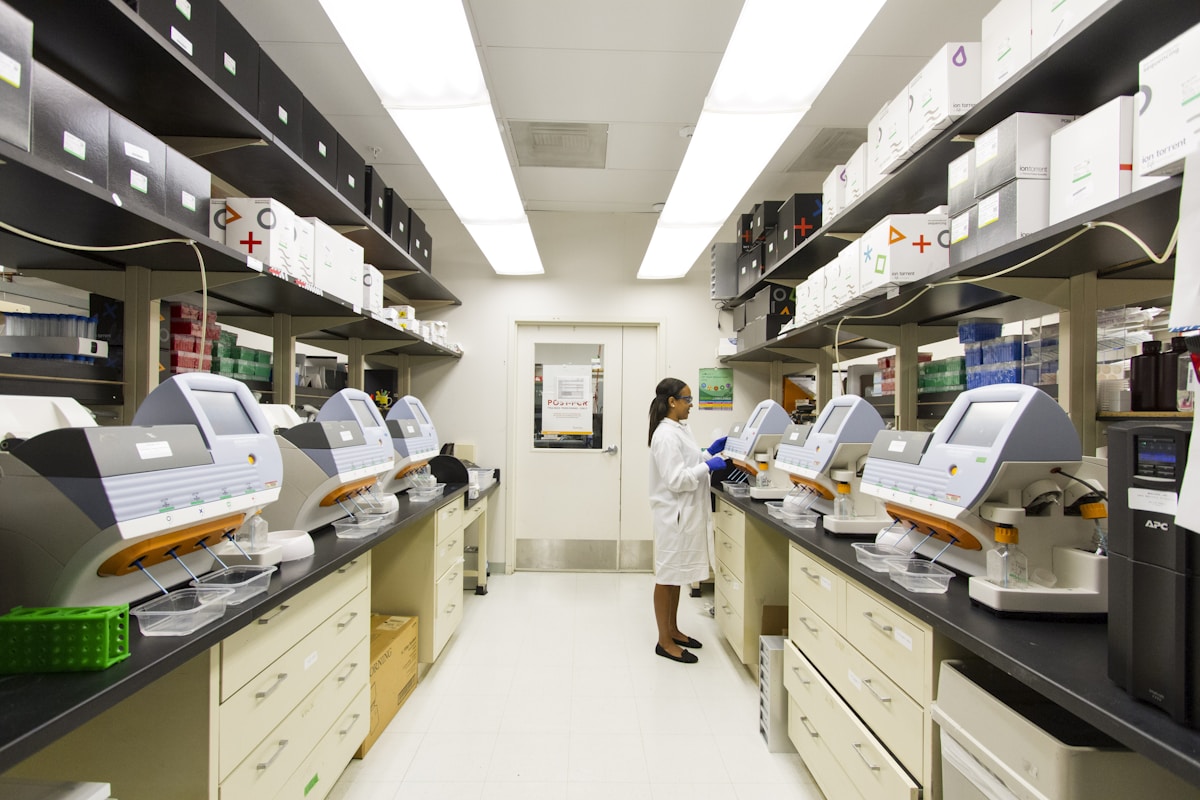
Learn how immunotherapy harnesses your immune system to fight cancer, including types of treatments, side effects, and what to expect.

A step-by-step guide to finding, evaluating, and connecting with the best oncologist for your specific cancer type and situation.

Recent clinical trial results show a new targeted therapy significantly improves survival rates in pancreatic cancer patients with specific genetic mutations.

Updated screening recommendations for breast, lung, colorectal, prostate, and cervical cancers based on the latest research.

Demystifying clinical trials: what they are, how they work, who qualifies, and why they might be your best treatment option.
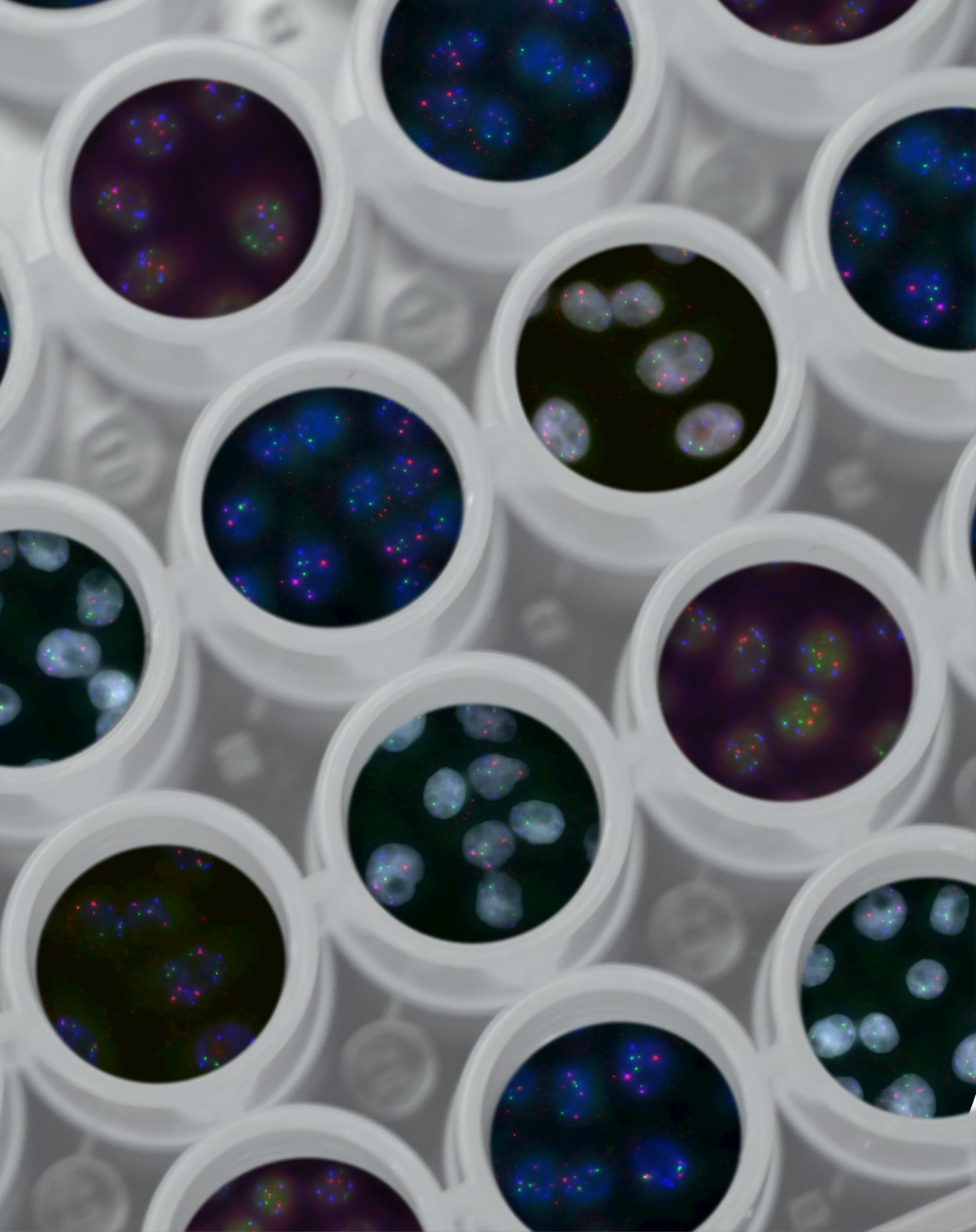
Learn how CAR T-cell therapy is transforming treatment for leukemia, lymphoma, and multiple myeloma with remarkable response rates.
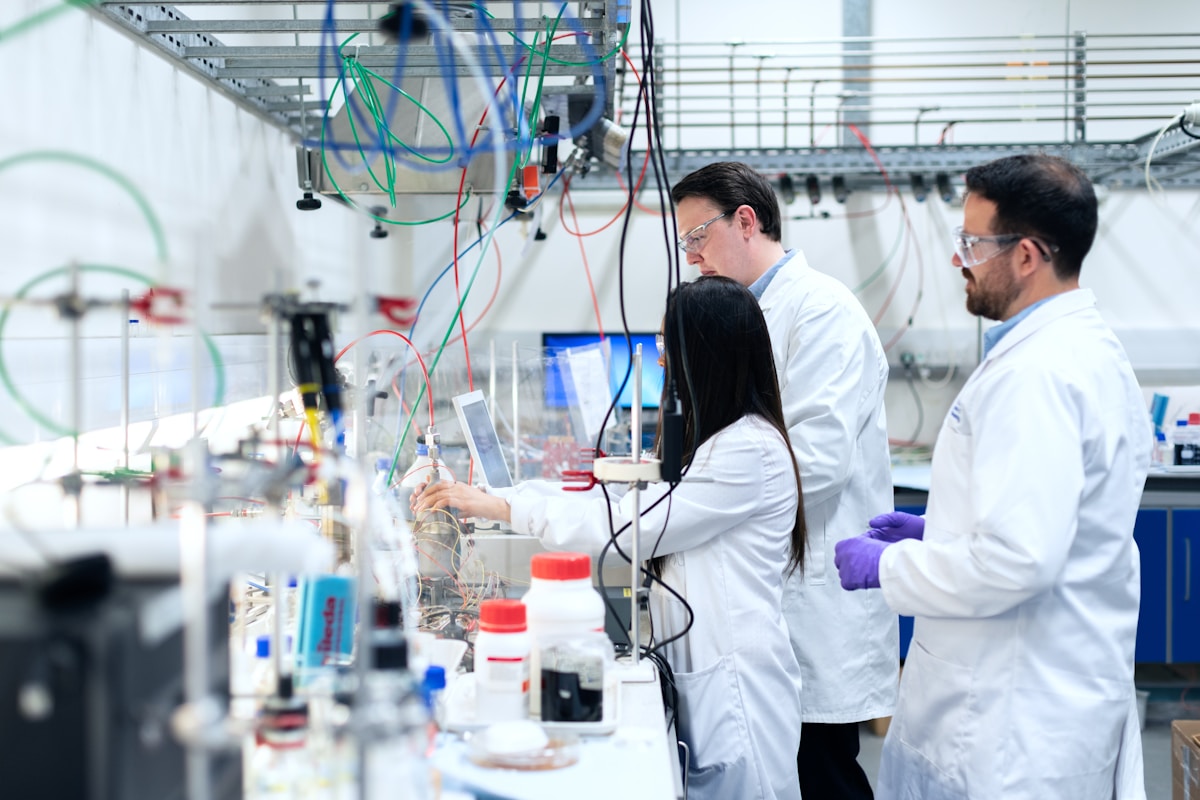
Discover how targeted therapies work at the molecular level to attack cancer cells while sparing healthy tissue, with examples across multiple cancer types.
Latest Articles

Considering a clinical trial? Learn about the process, benefits, risks, and how to find trials that match your cancer type.

Practical tips for managing common side effects of cancer treatment including fatigue, nausea, pain, and emotional challenges.

A comprehensive guide to genetic testing for cancer risk, including who should be tested, what the results mean, and how to use this information.
