
Cancer Prevention & Risk Reduction — Population-Level Evidence
Cancer Prevention & Risk Reduction
Population-Level Evidence on Modifiable Cancer Risk Factors
✓ No single food, supplement, or behavior prevents cancer
✓ Population-level evidence supports plant-forward, fiber-rich dietary patterns
✓ Healthy lifestyle behaviors modestly reduce risk and improve overall health
✓ Benefits accumulate across multiple domains (diet, activity, weight, alcohol, tobacco, environment)
✓ These strategies complement — not replace — screening and medical care
Summaries reflect population-level findings from large observational studies, meta-analyses, and reports by organizations such as the World Cancer Research Fund (WCRF), American Cancer Society (ACS), National Cancer Institute (NCI), and International Agency for Research on Cancer (IARC).
Purpose & Educational Context
CS Cancer Solutions provides an educational overview of population-level evidence linking lifestyle, environmental, and behavioral factors with cancer risk and prevention.
This page synthesizes findings from large epidemiologic studies, public health research, and consensus guidelines to support research literacy and informed awareness.
This content does not provide medical advice, individualized nutrition plans, treatment recommendations, or disease prevention guarantees.
Risk reduction does not equal risk elimination.
Lifestyle and environmental factors influence cancer probability at the population level. They do not determine whether an individual will or will not develop cancer.
Cancer arises from complex interactions between genetics, biology, environment, and chance.
Large epidemiologic studies and meta-analyses consistently report associations between plant-forward dietary patterns and lower risk of several cancers, particularly colorectal, breast, and upper gastrointestinal cancers.
These associations reflect long-term population trends and do not imply prevention or treatment.
Large epidemiologic studies and meta-analyses suggest that certain food groups, when consumed regularly as part of overall healthy dietary patterns, are associated with lower risk of several cancer types.
These associations reflect population-level trends and do not imply disease prevention or treatment.
These associations reflect overall dietary patterns and habitual intake over time rather than individual foods consumed in isolation.
Click Any Food to Learn About Health Associations
Leafy Greens
Cruciferous Vegetables
Allium Vegetables
Tomatoes

Seaweed
Berries
Citrus Fruits
Whole Grains
Legumes & Beans
Nuts & Seeds
Fatty Fish
Olive Oil
Green Tea
Turmeric
Polyphenol-Rich Fruits
Root Vegetables
Healthy Fats (Plant-Based)
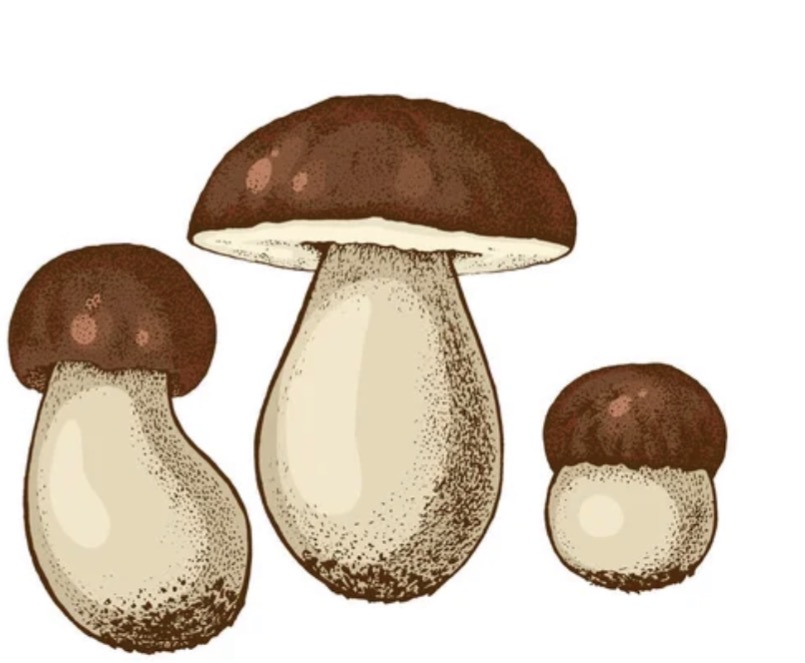
Wild Edible Fungi

Ginger & Cinnamon
Dark Chocolate (≥70%)
Peas (Green & Sweet)
🥦 Fruits & Vegetables
Higher intake associated with lower risk of colorectal, stomach, lung, and some hormone-related cancers.
Examples & Health Contributions:
How They May Help:
- • Reduce oxidative stress
- • Influence inflammation pathways
- • Support normal cell-cycle regulation
🌾 Whole Grains & Dietary Fiber
Higher dietary fiber intake is strongly associated with reduced colorectal cancer risk.
Sources:
Fiber may influence:
- • Gut microbiome composition
- • Short-chain fatty acid production
- • Reduced contact time between carcinogens and intestinal lining
🫘 Legumes & Beans
Regular consumption of legumes is associated with lower risk of colorectal and some hormone-related cancers.
Examples:
Provide fiber, plant protein, and bioactive compounds.
🥜 Nuts & Seeds
Observed associations with lower risk of certain cancers and improved metabolic health.
Examples:
Contain healthy fats, fiber, and phytochemicals.
🐟 Fish & Omega-3–Rich Foods
Some population studies associate higher intake of fatty fish with lower risk of colorectal and breast cancers.
Examples:
Omega-3 fatty acids may influence inflammation pathways.
🫒 Olive Oil & Healthy Fats
Mediterranean dietary patterns — rich in olive oil — are associated with lower overall cancer incidence.
Primary fat source:
Associated with improved metabolic and inflammatory profiles.
🍎 Fruits Rich in Polyphenols & Fiber
High in polyphenols and flavonoids; associated with lower risk of colorectal, lung, and breast cancers in population studies.
Examples:
Simple health effects:
- • Support DNA protection
- • Promote gut microbiome diversity
- • Help regulate blood sugar and inflammation
🥦 Cruciferous Vegetables
Contain glucosinolates that form isothiocyanates & sulforaphane; linked to reduced risk of colorectal, lung, breast, and prostate cancers.
Examples:
Simple health effects:
- • Enhance carcinogen metabolism
- • Support cellular repair pathways
🥕 Root Vegetables
Rich in carotenoids (beta-carotene) and polyphenols; support immune and epithelial cell health.
Examples:
Simple health effects:
- • Antioxidant activity
- • Supports normal cell differentiation
🥑 Healthy Fats (Plant-Based)
High in monounsaturated fats and vitamin E; associated with lower inflammation and improved metabolic health.
Examples:
Simple health effects:
- • Support cardiovascular and metabolic health
- • Improve absorption of fat-soluble phytonutrients
Edible Fungi
Contain beta-glucans and ergothioneine; observational studies associate mushroom intake with lower overall cancer risk.
Examples:
Simple health effects:
- • Support immune modulation
- • Antioxidant activity
Ginger & Cinnamon
Contain bioactive polyphenols; anti-inflammatory and antioxidant properties.
Examples:
Simple health effects:
- • May reduce chronic inflammation
- • Support metabolic health
Note: Culinary amounts only — supplements not recommended for cancer prevention
🍫 Cocoa & Dark Chocolate (≥70% cocoa)
Rich in flavanols and polyphenols; antioxidant properties.
Dark chocolate, in moderation
Simple health effects:
- • Supports vascular health
- • Anti-inflammatory effects
Note: Moderation emphasized due to calories and sugar
🧄 Allium Vegetables
Organosulfur compounds; associated with lower GI cancer risk.
Examples:
Simple health effects:
- • Support detoxification enzymes
- • Antimicrobial and anti-inflammatory properties
No individual food prevents cancer. Protective effects are observed from overall dietary patterns emphasizing vegetables, fruits, whole grains, legumes, and healthy fats.
🌿 Green Tea
Rich in catechins (EGCG); strong antioxidant properties and may influence cancer cell apoptosis.
Examples:
Simple health effects:
- • Strong antioxidant properties
- • Anti-inflammatory effects
Important Clarifications
- No individual food prevents or cures cancer
- Benefits arise from overall dietary patterns, not single ingredients
- Food-based nutrition is preferred over supplements
- Effects are modest at the population level
Foods Associated With Higher Cancer Risk (Population-Level)
Higher intake associated with increased risk of certain cancers:
- Processed meats (bacon, sausage, hot dogs, deli meats)
- Red meat (beef, pork, lamb) — especially high intake
- Sugar-sweetened beverages
- Highly processed snack foods
- Alcohol
Associated particularly with colorectal, stomach, liver, breast, and esophageal cancers.
Population-level evidence supports dietary patterns emphasizing plant-forward, fiber-rich, minimally processed foods as part of broader cancer risk reduction strategies.
Excess body fat is associated with increased risk of at least 13 cancer types.
Maintaining a healthy weight may:
- Reduce estrogen production from adipose tissue
- Improve insulin signaling
- Lower inflammatory cytokines
Regular moderate-to-vigorous physical activity is associated with lower risk of:
- Breast cancer
- Colorectal cancer
- Endometrial cancer
Mechanisms:
- • Improves insulin sensitivity
- • Reduces chronic inflammation
- • Helps regulate hormones
Alcohol
- No safe level for cancer risk
- Strongly linked to breast, liver, esophageal, colorectal cancers
- Risk increases with increasing consumption; limiting or avoiding alcohol reduces cancer risk
Tobacco
- Leading preventable cause of cancer
- Associated with lung and many other cancers
Population studies associate certain exposures with increased cancer risk:
Environmental & Occupational Examples:
Sun & UV Exposure
- UV radiation is primary cause of melanoma and non-melanoma skin cancers
- Protective clothing, shade, and sunscreen reduce risk
Several cancers are linked to chronic infections.
Human papillomavirus (HPV)
Cervical, anal, oropharyngeal cancers
Hepatitis B and C
Liver cancer
Helicobacter pylori
Gastric cancer
Vaccination and screening programs reduce infection-related cancer risk.
Chronic sleep disruption and night-shift work associated with increased cancer risk in some populations.
Evidence in this area is evolving.
Large clinical trials have not demonstrated consistent cancer prevention benefits from dietary supplements in the general population.
Key points:
- Supplements do not replace healthy dietary patterns
- High-dose supplementation may cause harm in some contexts
- Food-based nutrition remains the preferred source of nutrients
- ✗No single food prevents cancer
- ✗No "detox" cleanses cancer
- ✗No lifestyle change guarantees cancer prevention
- ✗Lifestyle factors do not replace medical screening or evidence-based care
- Support research literacy
- Provide population-level prevention context
- Complement screening and early detection education
- Inform public health and equity discussions
This page supports education and awareness only.
This page reflects population-level findings synthesized from reports, systematic reviews, and guidance from:
World Cancer Research Fund (WCRF)
Diet, nutrition, physical activity and cancer prevention evidence reviews
American Cancer Society (ACS)
Cancer prevention guidelines and epidemiologic summaries
International Agency for Research on Cancer (IARC)
Carcinogen classifications and exposure assessments
National Cancer Institute (NCI)
SEER survival data, prevention research, and behavioral oncology studies
Evidence summaries reflect population-level associations derived from observational research, meta-analyses, and large cohort studies. These findings describe trends across populations and do not predict individual outcomes.
One-page professional summary for institutions, employers, and public health groups
Do supplements prevent cancer?
There is no strong evidence that vitamin or antioxidant supplements prevent cancer in the general population. In some cases, high-dose supplements have been associated with harm. Nutrients are best obtained through whole foods unless medically indicated.
Can diet cure cancer?
No. Dietary patterns may influence long-term cancer risk and overall health, but they do not treat or cure cancer.
Is there a "cancer-fighting food"?
No single food prevents cancer. Risk reduction reflects long-term dietary patterns, lifestyle behaviors, and environmental factors.
Is organic food proven to reduce cancer risk?
Current evidence does not demonstrate clear cancer-prevention benefits specific to organic food consumption. Overall dietary quality appears more important.
Does sugar "feed cancer"?
All cells use glucose for energy. While high sugar intake is associated with obesity and metabolic disease (which increase cancer risk), sugar itself does not uniquely "feed" cancer cells more than other cells.
What matters most?
The strongest evidence supports:
- Avoiding tobacco
- Maintaining healthy body weight
- Regular physical activity
- Limiting alcohol
- High-fiber, plant-forward dietary patterns
- Participating in recommended cancer screening
CS Cancer Solutions presents lifestyle and risk-reduction information for educational and research-literacy purposes only. This content does not replace professional medical advice or individualized risk assessment.
Population-level evidence supports integrated lifestyle patterns — emphasizing plant-forward nutrition, physical activity, healthy weight, limited alcohol, and reduced exposure to carcinogens — as part of comprehensive cancer risk reduction strategies.
These behaviors complement, but do not replace:
- Screening
- Vaccination (HPV, Hepatitis B)
- Medical care
Medical Disclaimer
CS Cancer Solutions provides educational resources and evidence summaries only.
This platform does not diagnose, treat, or provide medical advice.
Always consult qualified healthcare professionals for medical decisions.